Direct Travel Insurance
📅 2026 Update: Changes in Travel Insurance Regulations
Since the original article was published, there have been significant changes in the travel insurance landscape. These updates affect how policies are issued, the duration of certain plans, and consumer rights. The earlier article continues further down the page, providing foundational information on travel insurance.
🏥 New Rules for Short-Term Insurance
In March 2024, U.S. Departments of Health and Human Services, Labor, and Treasury finalized a rule limiting short-term, limited-duration insurance (STLDI). The initial contract period for STLDI is now capped at three months, with a maximum coverage period of four months, including renewals and extensions.
This rule applies to policies sold or issued on or after September 1, 2024.
⏳ Interim Enforcement Decisions
In August 2025, these departments announced they would not prioritize enforcing the 2024 rule's duration limits while they work on new regulations. This means insurers can offer longer STLDI plans for a limited time, which may affect travelers looking for flexible insurance options.
📈 Growing Demand for Travel Insurance
In 2024, U.S. travelers spent $5.56 billion on travel insurance. This marked a 46% increase from spending in 2019. Additionally, trip cancellation and interruption packages accounted for about 94.7% of total consumer spending on travel insurance.
📑 Claim Processing and Documentation
Travel insurance claim processing has specific timelines. Insurers must acknowledge receipt of a claim within 15 days. They must also approve or deny claims within 30 to 45 days of receiving all necessary documentation.
Simple claims may be processed within two to four weeks, while complex cases can take several months.
📌 Key Updates Summary
- 🏥 New STLDI limits begin September 1, 2024.
- ⏳ Longer STLDI plans available temporarily until new rules are established.
- 📈 Travel insurance spending reached $5.56 billion in 2024.
- 📑 Claims must be acknowledged within 15 days; decisions within 30 to 45 days.
- 📑 Simple claims processed in two to four weeks; complex claims may take longer.
💡 Tips for Navigating Travel Insurance
Review your travel insurance needs with an attorney to ensure you understand your options fully.
📝 Understand the Pre-Existing Condition Waiver
To qualify for a pre-existing condition waiver, purchase your policy within 14 to 21 days of your initial trip deposit. This varies by insurer, so check the terms carefully.
📋 Keep Documentation Ready
When filing a claim, complete the insurer’s claim form and include essential documents. This includes your policy number, date of service, and medical provider information along with itemized bills and receipts.
⏳ Know Your Claim Processing Times
Claims must be acknowledged within 15 days. Expect a decision within 30 to 45 days of submitting all documentation. Simple claims may take two to four weeks to process.
⚖️ Be Aware of Denial Rates
About 20% to 30% of travel insurance claims are denied. This is often due to clerical errors or missing documentation, not a disagreement over coverage.
📞 Utilize Consumer Assistance Resources
Organizations like the U.S. Travel Insurance Association provide resources to help consumers understand travel insurance. State insurance departments also offer assistance programs for understanding your rights.
❓ Frequently Asked Questions
❓ What are the new limits for short-term insurance?
New rules limit short-term, limited-duration insurance to a maximum of three months for the initial contract period, with a total coverage period of four months, including renewals.
💼 How do I file a claim for travel insurance?
To file a claim, complete the insurer’s claim form and include your policy number, date of service, and relevant documentation such as bills and medical reports.
⏲️ How long does it take to process a claim?
Claims must be acknowledged within 15 days and decided within 30 to 45 days of receiving all necessary documentation. Simple claims may take two to four weeks.
📊 What are the common reasons for claim denials?
Common reasons for travel insurance claim denials include clerical errors or missing documentation. Roughly 20% to 30% of claims are denied, often not due to coverage disputes.
📆 How can I ensure eligibility for a pre-existing condition waiver?
To be eligible for a pre-existing condition waiver, you must purchase your travel insurance policy within 14 to 21 days after making your initial trip deposit.
🛡️ Where can I find help understanding my insurance rights?
You can find help through the U.S. Travel Insurance Association and your state insurance department. They offer resources and assistance to understand your rights and options.
⚖️ Recent Cases Related to Travel Insurance
Recent court rulings have clarified consumer rights and insurer obligations in travel insurance claims. These rulings may affect how claims are handled and processed.
- Texas court upholds dismissal of Conroy's claims against attorneyTexas Court of Appeals, 7th District (Amarillo) · June 5, 2026
- Court affirms venue change in insurance dispute over fatal shootingAppellate Division of the Supreme Court of the State of New York · June 11, 2026
- Court denies disability claim for officer in WTC responseAppellate Division of the Supreme Court of the State of New York · June 11, 2026
- Court dismisses defamation claim against former clientNew Jersey Superior Court Appellate Division · June 15, 2026
For more recent rulings, visit the news section for updates on the latest cases.
End of October 2026 Update
Travel Insurance Explained:
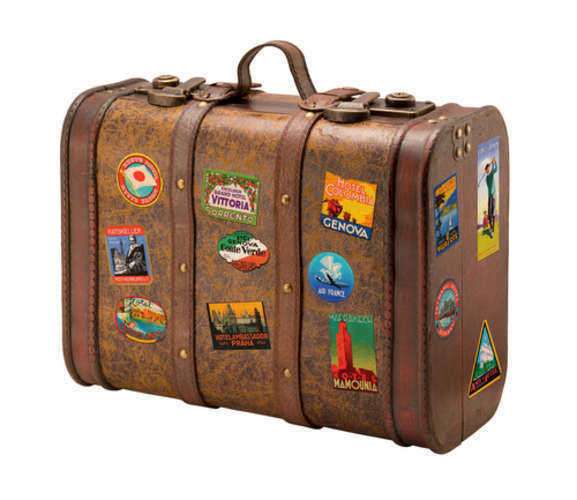
Travel insurance is a type of insurance that is intended to cover medical expenses, financial hardships over travel suppliers and other losses, such as stolen or lost luggage, cancelled flights, and weather delays, that may occur while travelling. Travel insurance may be purchased by an individual travelling within his or her country or abroad; regardless of the location, the insurance policy provides coverage against any financial losses or any negative externalities that occur as a result of travelling.
Types of Travel Insurance:
In addition to a traditional or comprehensive travel insurance policy—typically referred to as direct travel insurance--an individual can purchase temporary coverage, which is usually arranged at the time the trip is booked. This form of cheap travel insurance will provide coverage for exactly the duration of the trip. As a result of the limited coverage offered, temporary travel insurance is far less extensive than traditional travel insurance, which is typically purchased from travel agents (individuals who work for travel insurance companies) or directly from travel suppliers, such as tour operators or cruise lines. That being said, a comprehensive travel insurance package, purchased from a travel supplier, will tend to be less inclusive than a policy offered by an insurance company.
Travel insurance will often provide coverage to an assortment of travels; student travel, leisure travel, adventure travel, business travel, international travel and cruise travel are all options or forms of travel that can be covered by travel insurance. To broaden the types of direct travel insurance we will forego the specifics associated with what is covered and instead, label the forms of direct travel insurance with a wider lens. The first and most common form of direct travel insurance is Trip Cancellation/Interruption coverage. The majority of these policies will cover all trip or flight cancellations due to weather, sudden illness or death, emergency military operation, jury duty and bankruptcy of the airline of cruise line prior to departure. The majority of these direct travel insurance policies, will provide terrorism insurance; a form of catastrophic coverage that will reimburse expenses in the event that the United States Department of States issues a travel warning advising individuals not to travel within a given country for a specified period of time.
Another form of direct travel insurance is offered to cover expenses associated with medical emergencies. This policy is particularly useful if the individual is travelling to underdeveloped regions of the world or for individuals who are inflicted with a chronic illness. These policies will reimburse the holder for all costs that stem from doctor’s visits, medication and occasionally medical evacuations out of the destination.
For longer trips or habitual travels, an extensive form of direct travel insurance is typically the most common policy purchased. These comprehensive plans will provide a wide variety of coverage as well as a personalization characteristic, which ultimately enables the traveller to choose what kinds of coverage to be included. Since it is difficult to prognosticate in regards to what problems may arise during a trip, a comprehensive direct travel insurance policy will cover every aspect or situation that may carry a monetary loss for the traveler.